8 Ways Dry Needling Helps Relieve Scoliosis Pain
8 Ways Dry Needling Helps Relieve Scoliosis Pain
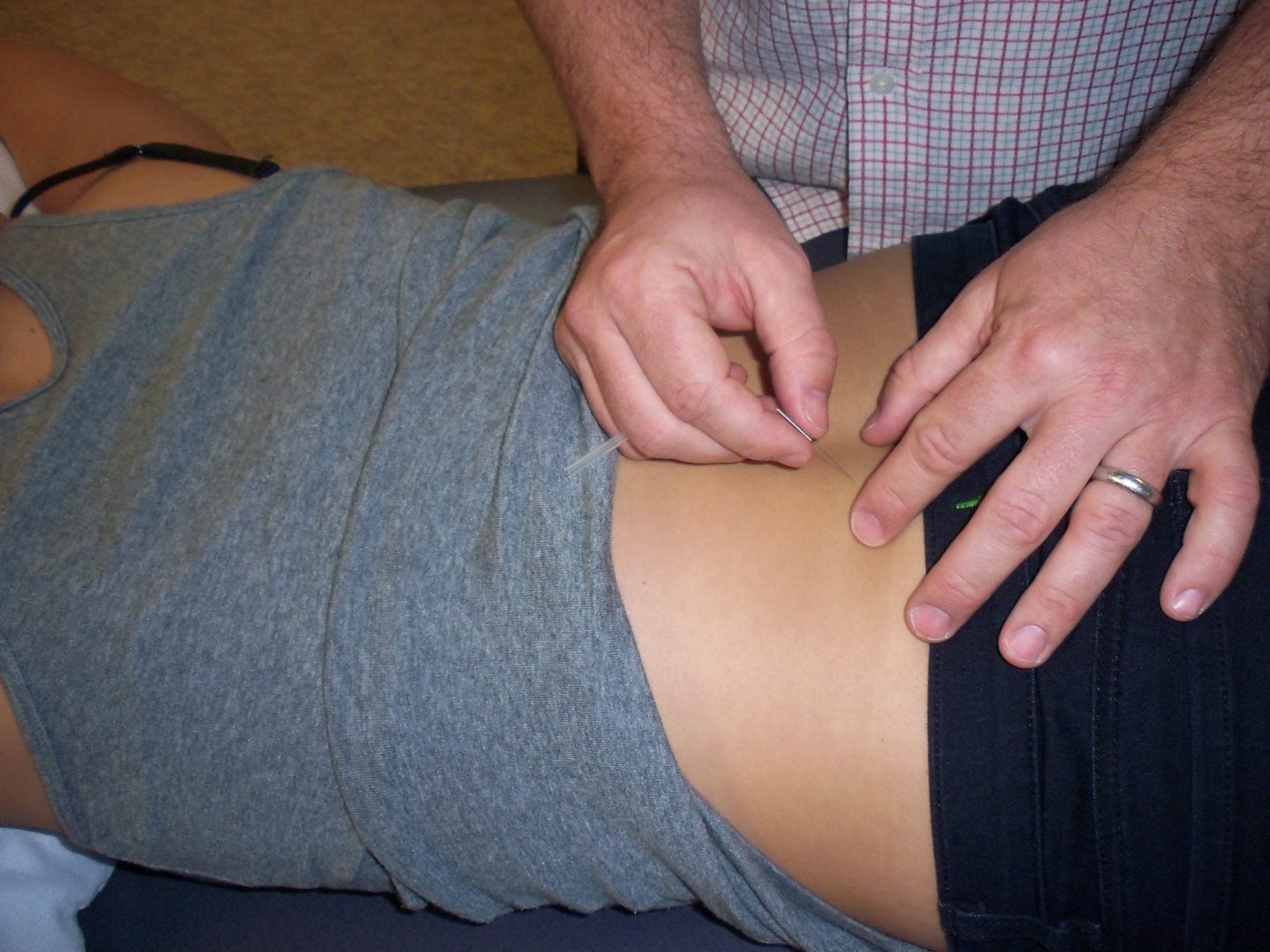
Ever woken up with that familiar ache twisting through your back, making even simple tasks feel like a chore? If you're dealing with scoliosis, you know the drill—those uneven curves pulling muscles tight, sparking pain that lingers like an unwelcome guest. I've talked to plenty of folks at Posture Aid who share similar stories: office workers in Manila hunched over laptops, athletes pushing through workouts, parents chasing kids despite the discomfort. But here's a game-changer that's gaining traction a non-non-Surgical Scoliosis relief: dry needling. This technique, where thin needles poke into knotted muscles without injecting anything, targets the root of scoliosis-related grief. It's not magic, but it sure feels close when it eases tension and dials down hurt. Backed by hands-on pros and studies, dry needling offers real relief for scoliosis pain. Let's unpack eight key ways it steps in to help, drawing from real experiences and solid insights.
1. Targeting Trigger Points for Quick Pain Relief
Picture a muscle knot like a tangled ball of yarn—pull it wrong, and everything hurts more. In scoliosis, those curves create imbalances, leading to trigger points that shoot pain across your back or even down your legs. Dry needling goes straight for these spots, inserting a fine needle to release the knot. One patient I heard from described it as flipping a switch; the sharp ache faded almost right away after her session. Research shows this method inactivates those points, cutting pain signals to the brain and offering immediate scoliosis pain relief. It's especially handy for folks with chronic twinges that meds just mask. At Posture Aid, we see it as a frontline tool, helping you move without that constant reminder of your curve.
2. Boosting Blood Flow to Tight Muscles
When scoliosis warps your spine, blood flow can stall in overworked muscles, starving them of oxygen and nutrients. That leads to stiffness and more pain, a vicious cycle. Dry needling breaks it by creating tiny lesions that kickstart healing—think of it as jump-starting a sluggish engine. The needle prompts fresh blood to rush in, carrying away waste and delivering repair crews. A runner with a mild thoracic curve told me how, after a few pokes, her back felt warmer and looser, letting her hit the trails without cramping up. This improved circulation not only eases scoliosis pain but also speeds recovery, making daily activities less of a battle. It's a natural boost, no pills required.
3. Reducing Muscle Tension and Asymmetry
Scoliosis often means one side of your back works overtime while the other slacks off, building uneven tension that pulls everything out of whack. Dry needling evens the score by relaxing those hyperactive muscles. The needle twitch response—when the muscle jumps and then chills—releases built-up stress, promoting balance. Imagine a desk jockey who spent years leaning to one side; after dry needling, she noticed her shoulders leveling out, and the pull in her lower back eased. This approach tackles asymmetry head-on, reducing scoliosis pain from constant strain. Over time, it helps retrain muscles, turning lopsided habits into smoother moves.
4. Enhancing Range of Motion Without Strain
Stiff from scoliosis? Reaching overhead or twisting to grab something can feel impossible. Dry needling loosens those restrictions by targeting deep tissues that hands alone can't reach. It breaks down adhesions—those sticky spots where muscles glue together—and restores flexibility. One yoga enthusiast shared how sessions let her flow through poses she hadn't touched in months, without that sharp catch in her spine. For scoliosis sufferers, this means better mobility, less pain during stretches, and a shot at active living. It's like oiling rusty hinges, making your body cooperate instead of fight back.
5. Minimizing Referred Pain That Radiates Elsewhere
Scoliosis pain doesn't always stay put; it can shoot to hips, shoulders, or even headaches from compensated postures. Dry needling interrupts these referral patterns by deactivating trigger points that send false alarms. A teacher I know dealt with leg tingles she blamed on long hours standing—turns out, it traced back to spinal knots. After needling, the radiation faded, letting her focus on lessons instead of discomfort. This targeted fix reduces scoliosis pain's ripple effects, improving overall comfort and cutting down on those mystery aches that sneak up.
6. Triggering the Body's Natural Painkillers
Your body has built-in tools to fight pain, like endorphins that act as natural morphine. Dry needling revs them up by stimulating nerves and releasing these feel-good chemicals. It's not just a poke; it's a signal for healing. Take a busy parent with lumbar scoliosis—the sessions helped her chase toddlers without popping pills, thanks to that internal relief surge. For chronic scoliosis pain, this means longer-lasting ease without relying on meds that come with side effects. It's empowering, tapping into what your body's already got.
7. Complementing Other Scoliosis Therapies
Dry needling shines brightest when teamed with braces, exercises, or PT. It preps muscles for better response, making Schroth or SEAS methods more effective by loosening tight spots first. An athlete combined it with core workouts and saw his curve stabilize faster, with less soreness in between. This integration turns isolated fixes into a full plan, amplifying scoliosis pain relief. At Posture Aid, we weave it in for tailored results, helping you build a routine that sticks.
8. Providing Long-Term Management for Chronic Discomfort
Scoliosis isn't a one-and-done deal; pain can flare with stress or weather changes. Regular dry needling sessions offer ongoing support, preventing build-up and maintaining gains. One long-timer said it kept her flares at bay, turning bad weeks into manageable days. By addressing root causes like deep muscle issues, it contributes to sustained scoliosis pain relief. It's a commitment, but the payoff? More good days, less downtime.
Wrapping this up, dry needling isn't for everyone—chat with a specialist to see if it fits your curve. But for many at Posture Aid, it's a reliable ally against scoliosis pain, blending science with real-world wins. If you're tired of the ache holding you back, give it a shot (pun intended). Your back might just thank you.


Comments
Post a Comment